Roofing advice
Cape Coral's roof sheathing affidavit: when your re-roof needs one, and what it proves
The most common surprise on a Cape Coral re-roof is decided by two dates and a form. What triggers it, who can sign it, and why it is worth asking your contractor for a copy.
What the sheathing affidavit is
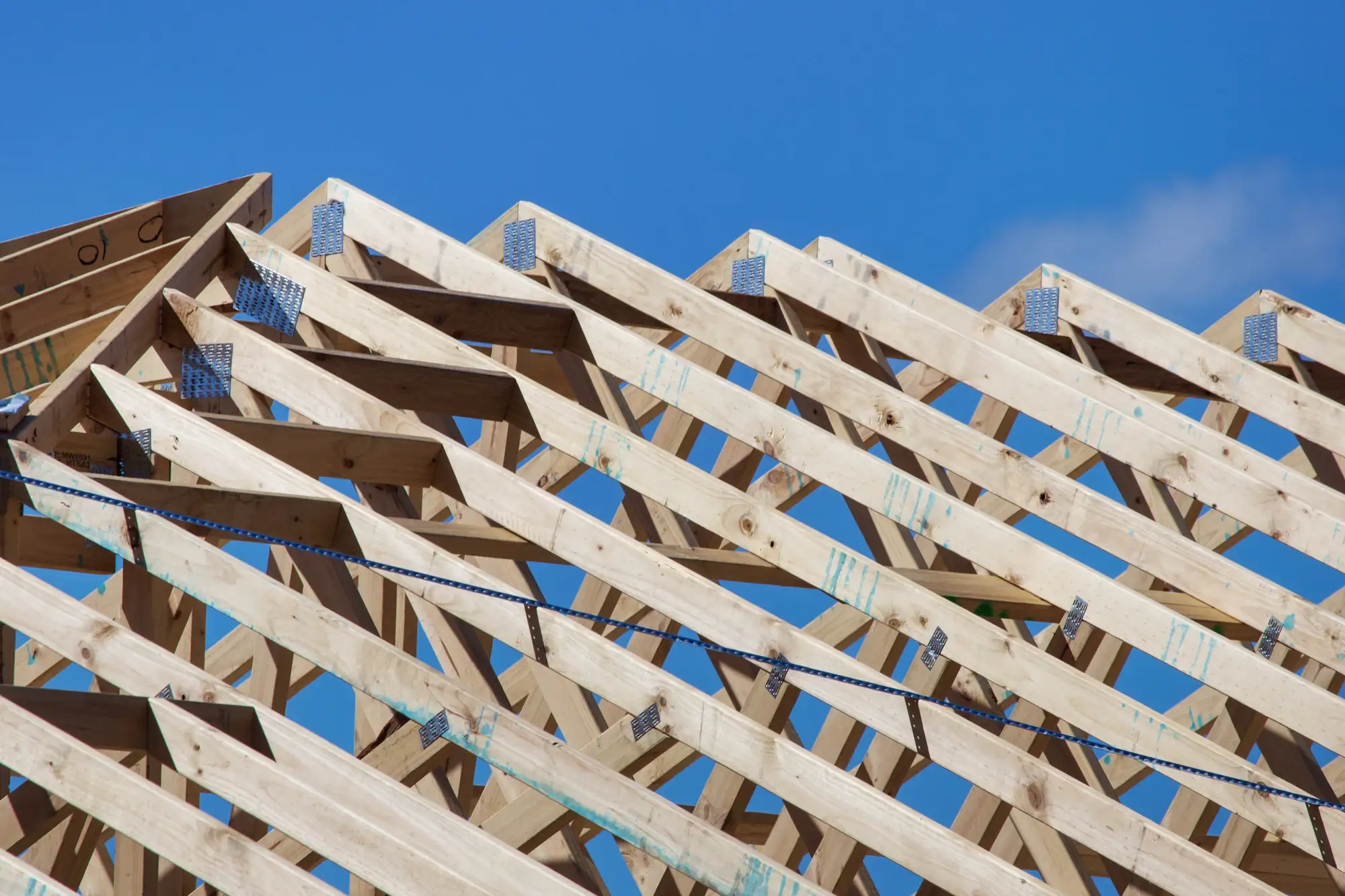
Sheathing is the plywood or OSB deck the roof covering is fastened to. In a hurricane, a roof that loses its covering is bad; a roof that loses its deck is far worse, because then the house is open. So when an older Cape Coral roof is replaced, the city wants confirmation that the deck has been fastened to current standards before the new underlayment covers it up.
That confirmation takes one of two forms. Either a city inspector comes out and looks at the nailing, or a qualified contractor inspects it personally and signs a sworn, notarized statement saying so. That statement is the sheathing affidavit, city form F-DCD-3010. It certifies the work was done to the state's hurricane mitigation retrofit requirements under s. 553.844, Florida Statutes, and the existing-building provisions of the Florida Building Code.
When your re-roof needs one
The City of Cape Coral's residential re-roof guideline requires a sheathing inspection or affidavit in either of two situations:
The home's original construction permit was applied for before March 1, 2002, or
there has been no complete re-roof since March 1, 2007.
Plenty of Cape Coral houses meet one of those, which is why it comes up so often. Both are answered by paperwork that already exists, the original permit and the permit history, so a contractor can tell you whether it applies before quoting. If one quote mentions it and another does not, ask the second contractor why.
Who can sign it
Under the city's guideline, a general, building, residential or roofing contractor, or anyone certified under Chapter 489 of the Florida Statutes to make that inspection, may complete the sheathing inspection once the permit has been issued. They fill in the affidavit, have it notarized, and attach it to the permit in the city's online Citizen Self-Service portal. Only then does the underlayment go on.
Owner-builders cannot use the affidavit. If you are pulling the permit yourself, a city inspector has to inspect the nailing across the whole roof before any underlayment is applied, which means scheduling around the city's inspection calendar with the deck exposed.
Where it sits in the inspection sequence
For a straightforward residential re-roof, shingle or metal back to shingle or metal, or tile back to tile, the city's guideline lists these inspections in order:
Notice of Commencement, required when the job is valued at $2,500 or more, notarized, and recorded and certified by Lee County.
Sheathing, by affidavit for contractors or by city inspection for owner-builders.
Roof dry-in, once the underlayment is on.
The 90-pound membrane inspection, on tile re-roofs only.
Final.
Other jobs, such as re-covers, repairs, flat roofs and conversions from shingle or metal to tile, go under a different permit type with its own requirements. The guideline also notes an environmental review if the property sits in an eagle nesting zone, which is a reminder that Cape Coral has a few rules you will not find anywhere else.
Why it matters to you, not just the city
The affidavit route is faster, because the contractor does not have to wait for a city inspector before drying the roof in. That is genuinely useful, but it also means nobody from the city looks at your deck nailing. The person signing is vouching for their own crew's work.
That is fine when it is done honestly, and most of the time it is. It is also the reason to ask for two things at the end of the job: a copy of the signed affidavit, and photographs of the deck nailing before the underlayment went down. A conscientious contractor takes those photographs anyway.
They are worth keeping for another reason. Deck attachment is one of the features recorded on Florida's wind mitigation form, OIR-B1-1802, and insurers have to offer discounts for wind-resistant features under s. 627.0629. Evidence of how your deck is fastened is evidence an inspector can use.
Guidelines change. Everything here comes from the City of Cape Coral's published residential re-roof guideline and its sheathing affidavit form. The city notes its guidelines are subject to change without notice, so your contractor should confirm the current requirements when the permit is filed. Fees and timelines in particular are worth checking on the day rather than taking from any website, this one included.
For the rest of what is different about roofs in Cape Coral, including canal-lot wind exposure and salt on metal, see the Cape Coral roofing page. For what a re-roof costs and how to compare quotes, see roof replacement costs in Lee County.
Re-roofing in Cape Coral?
Free inspection first. The permit history checked, the sheathing question answered before anyone quotes, and a written report with photographs.
Book a free inspection